
Copyright ©. Powered by onetech®
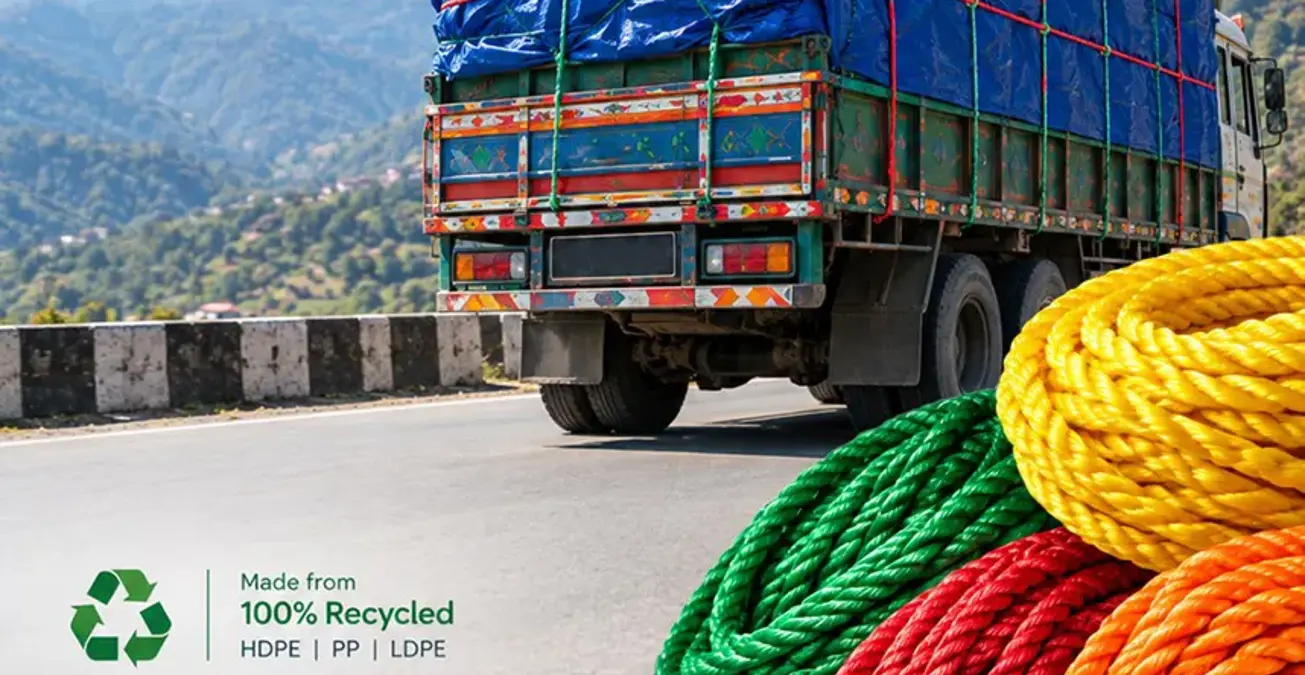
Truck transportation plays an important role in Nepal’s supply chain, connecting manufacturers, wholesalers, agricultural producers, retailers, and businesses across the country. From industrial materials and agricultural products to packaged goods, a wide range of cargo is transported by road every day.
For many types of truckloads, keeping cargo properly covered, bundled, and secured is an important part of the transportation process. Alongside tarpaulins, straps, and other securing materials, ropes are commonly used for tying and holding loads in place.
This makes reliable rope an important supporting material for the transportation and logistics industry.
Before a truck leaves a warehouse, factory, farm, or loading point, cargo needs to be arranged and secured appropriately for the journey.
Loads may include sacks, agricultural products, construction materials, packaging materials, machinery components, and other commercial goods. Depending on the type of cargo, a tarpaulin may also be used to protect materials from rain, dust, sunlight, and other outdoor conditions.
Ropes can be used to secure tarpaulins and assist with bundling and tying materials during loading and transportation.
Proper cargo securing can help reduce unnecessary movement of materials during transit and keep covered loads in position throughout the journey.
Tarpaulins are widely used to cover open truck loads. However, the covering itself needs to be held securely around the cargo.
This is where tarpaulin ropes and other tying materials become useful.
A suitable rope for transport applications needs to be practical to handle, flexible enough for tying, and capable of providing the required strength for its intended application.
For transport operators and businesses moving goods by road, choosing the right tying material depends on factors such as the type of load, the size of the vehicle, the covering being used, and the conditions of transportation.
The use of rope in transportation is not limited to the final truck journey.
Cargo often passes through several stages before reaching its destination:
Manufacturing → Packaging → Warehousing → Loading → Transportation → Delivery
At different stages, materials may need to be bundled, tied, or organized for handling and movement.
In warehouses, ropes can be used for bundling goods and packaging materials. During loading, they may be used alongside tarpaulins and other securing materials. Once the truck reaches its destination, the same materials can be removed and reused depending on their condition and application.
This makes rope a relatively simple but practical component of the wider logistics process.
Businesses purchasing rope for truck transportation should consider the intended application rather than choosing solely based on price.
Some of the important factors include:
Strength: The rope should provide appropriate strength for the intended tying or securing application.
Flexibility: A rope that is easy to handle and knot can make loading and unloading more convenient.
Durability: Transport applications can expose rope to outdoor conditions, friction, and repeated handling.
Thickness: Different applications may require different rope diameters or gauges.
Length: Roll or hank sizes should be appropriate for the intended use.
Material: The material and manufacturing quality can influence the rope's performance and suitability.
The appropriate specification will depend on the type of cargo and the specific application.
Alongside performance, material sourcing is becoming an important consideration for businesses looking at plastic products.
Recycled plastic can be processed into useful materials and incorporated into products such as ropes and cords. National Plastic Industries manufactures monofilament yarn using recycled HDPE, PP, LDPE, and other post-industrial plastic waste. The company states that these recycled materials are processed into yarn used for applications including ropes, cords, agricultural twines, nets, and industrial products.
The company's Sutali Rope is manufactured using recycled polypropylene or other plastic materials and is available in different thicknesses, colours, and packaging formats depending on customer requirements.
For businesses looking for recycled plastic rope for appropriate tying and bundling applications, locally manufactured products can provide another option within the supply chain.
Internal link: recycled Sutali Ropes
Nepal's road network connects industrial areas, agricultural regions, commercial centres, and distribution points throughout the country. Trucking and road freight therefore remain important for moving goods between businesses and markets.
The materials used around this process may be simple, but they support everyday logistics operations.
Ropes can be used for applications ranging from tarpaulin tying and cargo bundling to warehouse handling and general commercial use. National Plastic Industries lists its Sutali Rope for agricultural tying, packaging and bundling, warehousing, retail applications, and lightweight industrial tying.
For companies involved in transportation, distribution, agriculture, manufacturing, and warehousing, selecting suitable tying materials is one part of maintaining an efficient loading and handling process.
The connection between recycled materials and transport products begins well before a rope reaches a truck.
National Plastic Industries has been involved in plastic recycling and manufacturing in Nepal since 1983. The company describes its production process as including the collection and recycling of suitable production waste, with reprocessed materials being used for secondary products such as ropes.
This provides a practical example of how recycled plastic materials can be incorporated into manufacturing and subsequently used in everyday commercial applications.
For businesses interested in the wider use of recycled plastic materials, National Plastic Industries also manufactures recycled plastic granulates for applications including containers, crates, pallets, pipes, woven sacks, tarpaulins, and other plastic products.
For businesses purchasing rope in larger quantities, factors beyond the product itself can also be important.
A supplier should be able to provide appropriate specifications, consistent production, suitable packaging, and quantities that match the customer's requirements.
National Plastic Industries manufactures plastic products in Nepal and offers customizable rope options, including different sizes, colours, and roll lengths.
Businesses can review the company's wider plastic products and packaging solutions to see the range of materials manufactured for different commercial and industrial applications.
Ropes are a small but useful part of Nepal's transportation and logistics system. From securing tarpaulins on trucks to bundling goods in warehouses, they support several stages of the movement and handling of commercial materials.
For transport operators, distributors, manufacturers, and other businesses, selecting rope based on the intended application, required strength, dimensions, durability, and material can help ensure that the product is appropriate for the job.
Recycled plastic ropes also demonstrate how recovered materials can be converted into practical products for everyday commercial use.
As Nepal's transportation and logistics sector continues to connect businesses and markets across the country, reliable supporting materials will remain an important part of the supply chain.


